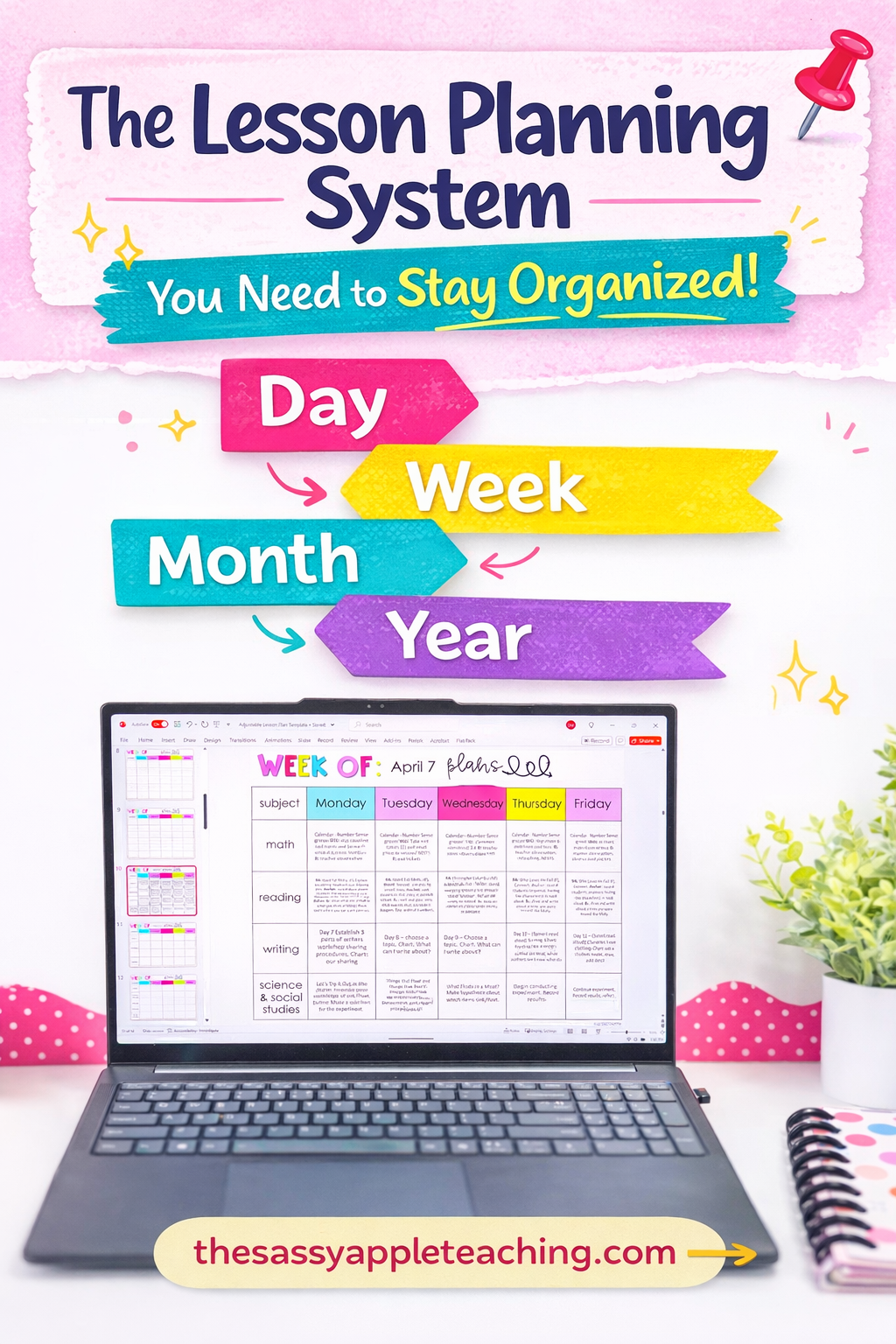
I used to plan lessons the night before…
while half-watching Netflix…
and hoping for the best the next day. 😅
Some days worked.
A lot of days felt rushed, scattered, and honestly… a little chaotic.
The problem?
I was planning day-by-day instead of seeing the big picture.
Everything changed when I started using a simple system:
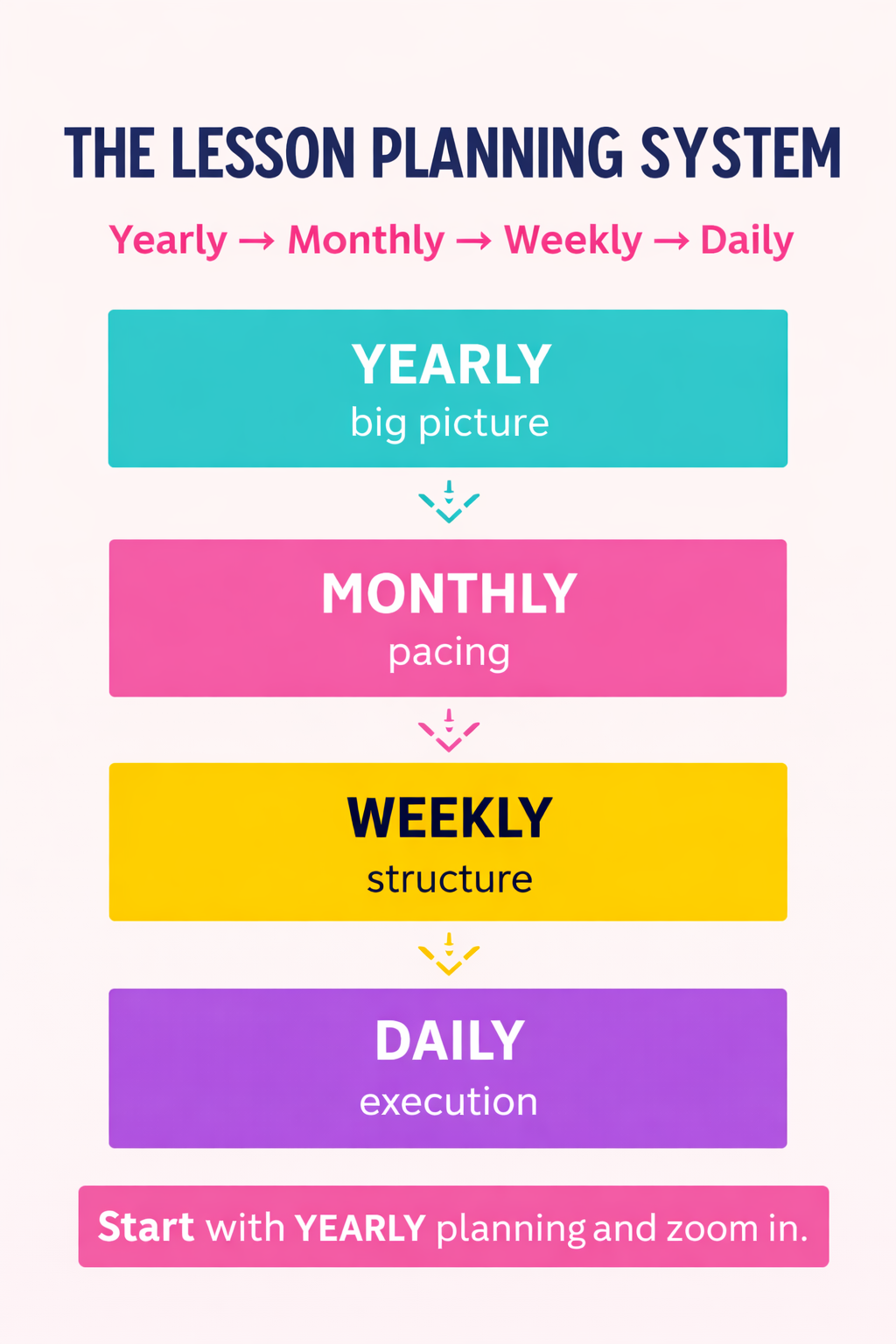
👉 year → month → week → day
Once I had that structure in place, lesson planning felt:
- less overwhelming
- more organized
- and way more efficient
If you’ve ever felt behind, scattered, or like you’re constantly playing catch-up… this system is going to change everything.
Lesson Planning Layers
Think of lesson planning like building a staircase.
You don’t start at the bottom and hope it all works out—you build from the top down:
- Yearly planning gives you direction
- Monthly planning keeps pacing on track
- Weekly planning keeps you organized
- Daily planning fills in the details
When you skip straight to daily plans, everything feels reactive.
When you follow a system?
👉 You feel in control.
Big Picture: Yearly Planning
Yearly planning is your roadmap for the entire school year. You cannot skip this step! It keeps your pacing in check (with flexibility!) and makes the end goal clear. It gives you a realistic sense of pacing (with some wiggle room) and reminds you where you’re actually headed.
All the smaller plans? They’re just steps to get you to that end goal.
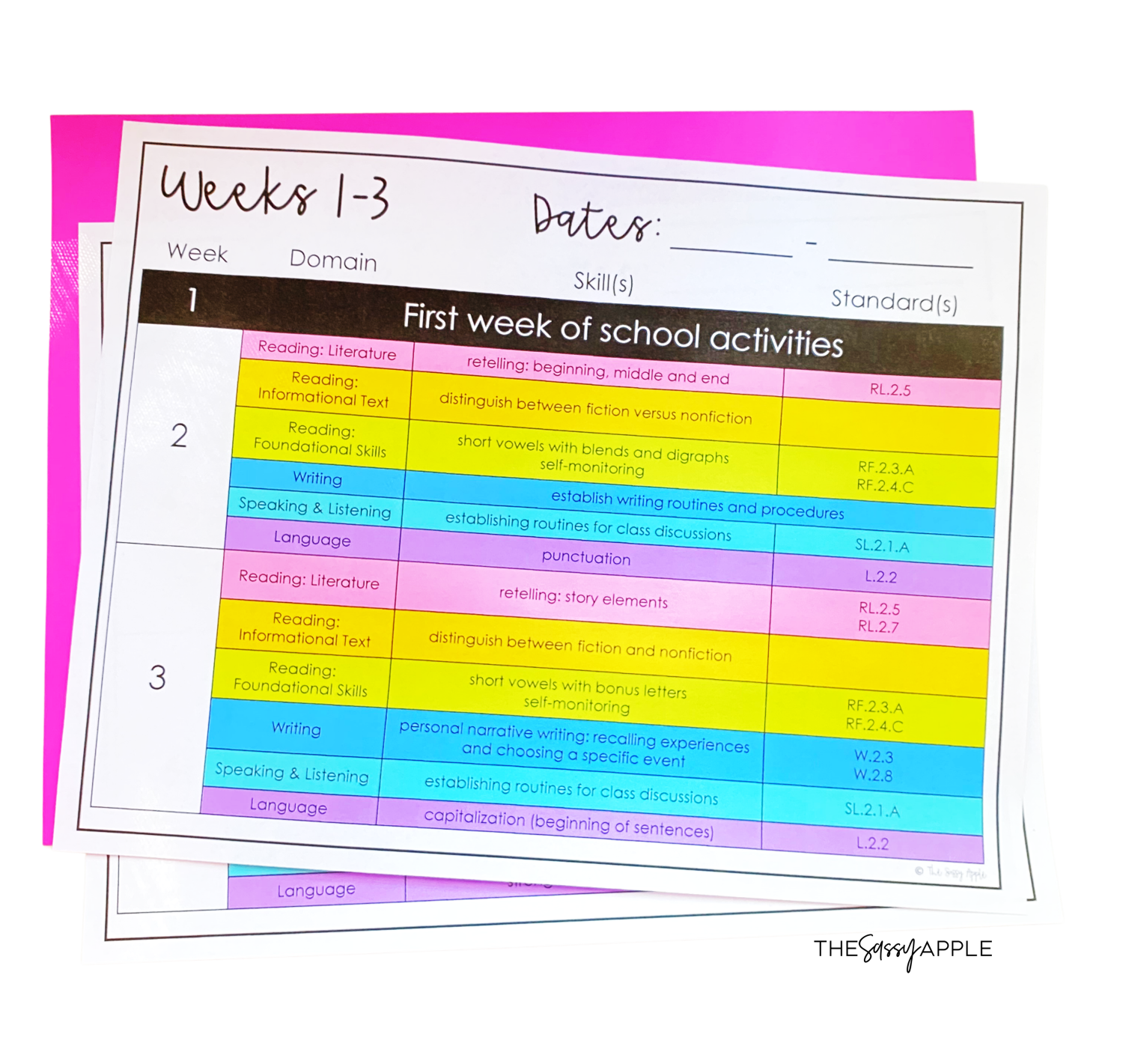
This is where you map out:
- units
- standards
- major skills
- assessments
💬 Real talk:
If you skip this step, you will feel rushed in the spring.
You don’t need every detail—just a clear outline of:
👉 what you’re teaching and when
Check out these editable curriculum maps to help you plan!
Break It Down: Monthly Chunks
This is where your big-picture plan starts to come to life.
Monthly planning helps you map out what’s actually doable, keeps you from overloading your weeks, and gives you a built-in checkpoint to adjust when things take longer (or shorter!) than expected.
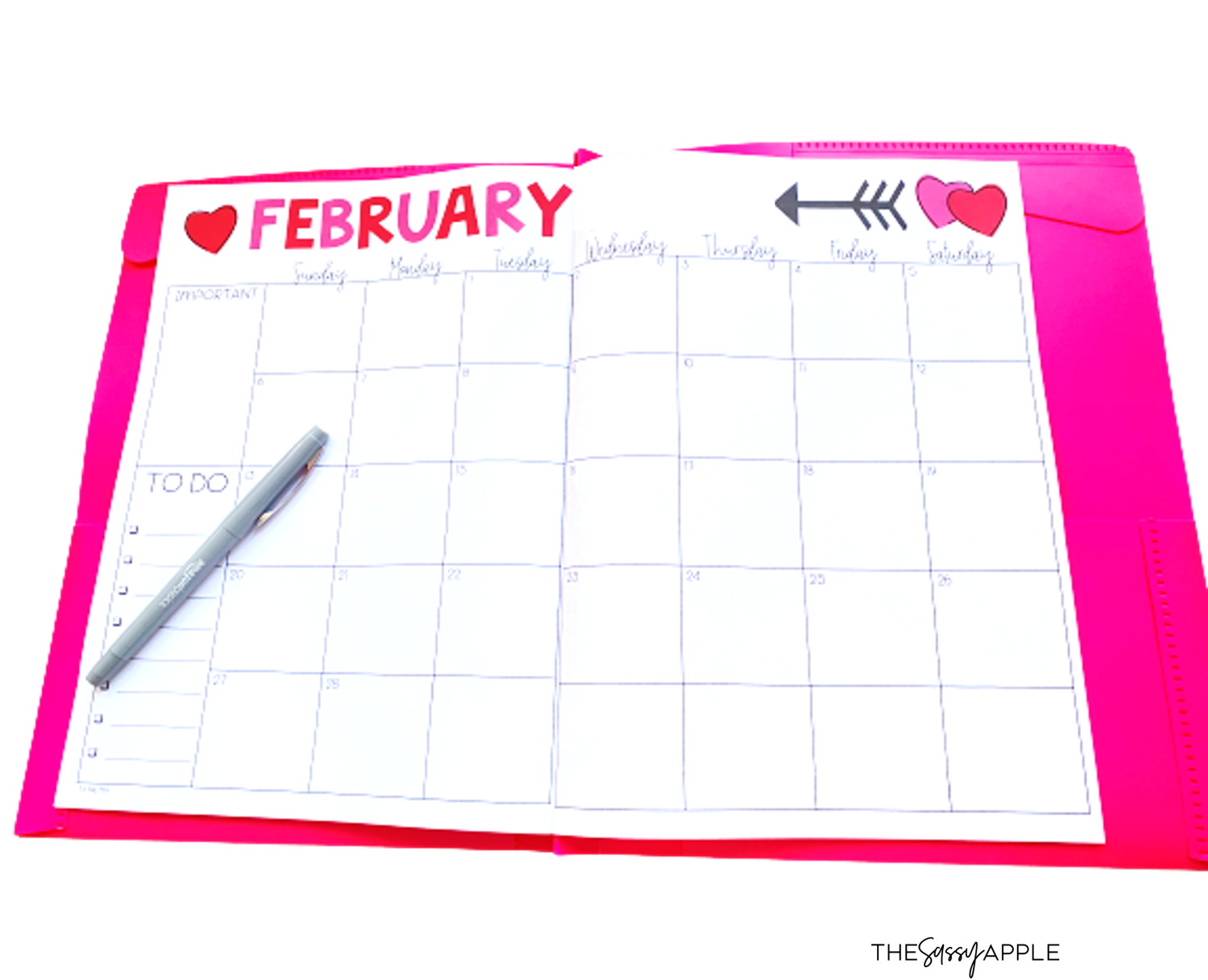
Once you have your yearly plan, zoom in. I do these three things:
- Look at the major topics/themes for the month (holidays, reading and math units)
- Make a list of the resources I have that align with what I am teaching
- Add in some flex days so there’s a little wiggle room for when things don’t go as planned
Monthly planning helps you:
- stay realistic about pacing
- adjust when things take longer than expected
- avoid cramming too much into one week
Think of this as your “checkpoint” layer. It should align closely with the yearly plan, but also include the reality of days off, school events and holidays. Check out these monthly calendars–the perfect tool to help you plan!
Your Weekly Plan Simplified
This is our most obvious form of planning since most teachers have to submit plans weekly to their administration. It is clearly important to have a vision for each day and how they will connect.
Teacher tip: Work smarter, not harder. The BEST teaching teams I have been on worked together to plan weekly. We would divide the subject areas and collaborate in a Google Slides document. We even sent out for copies for the entire team for our subject.
Each week, map out:
- skills you’re teaching
- activities/lessons
- materials you’ll need
- any extras (changes to the schedule, assemblies, picture day etc)
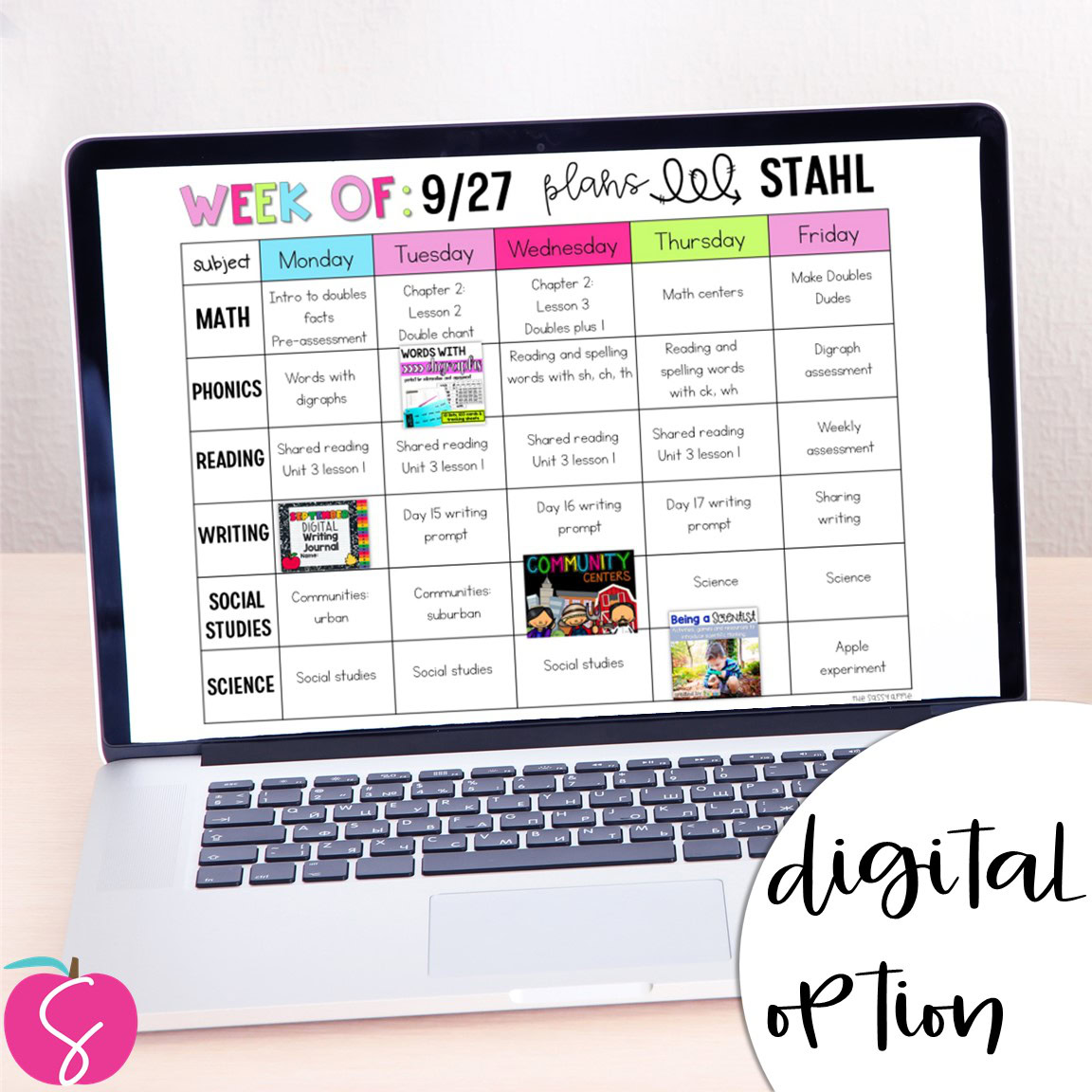
💡 This is where most teachers spend their time—but it only works well when your monthly + yearly plans are already in place.
If you’re tired of:
- rewriting plans every week
- feeling scattered
- or having everything in 5 different places
This is exactly why I created my lesson plan templates. These printable + digital lesson plan templates that THOUSANDS of teachers have used to successfully stay organized with lesson planning.
Daily Plan Strategy
With weekly plans completed, a daily plan isn’t entirely necessary. However, sometimes I do feel I need to jot down the day’s to-dos so I can stay on track. Sometimes, this is just a post-it note. Other times, like the first days of school, I go into more in-depth detail about each step of the day.
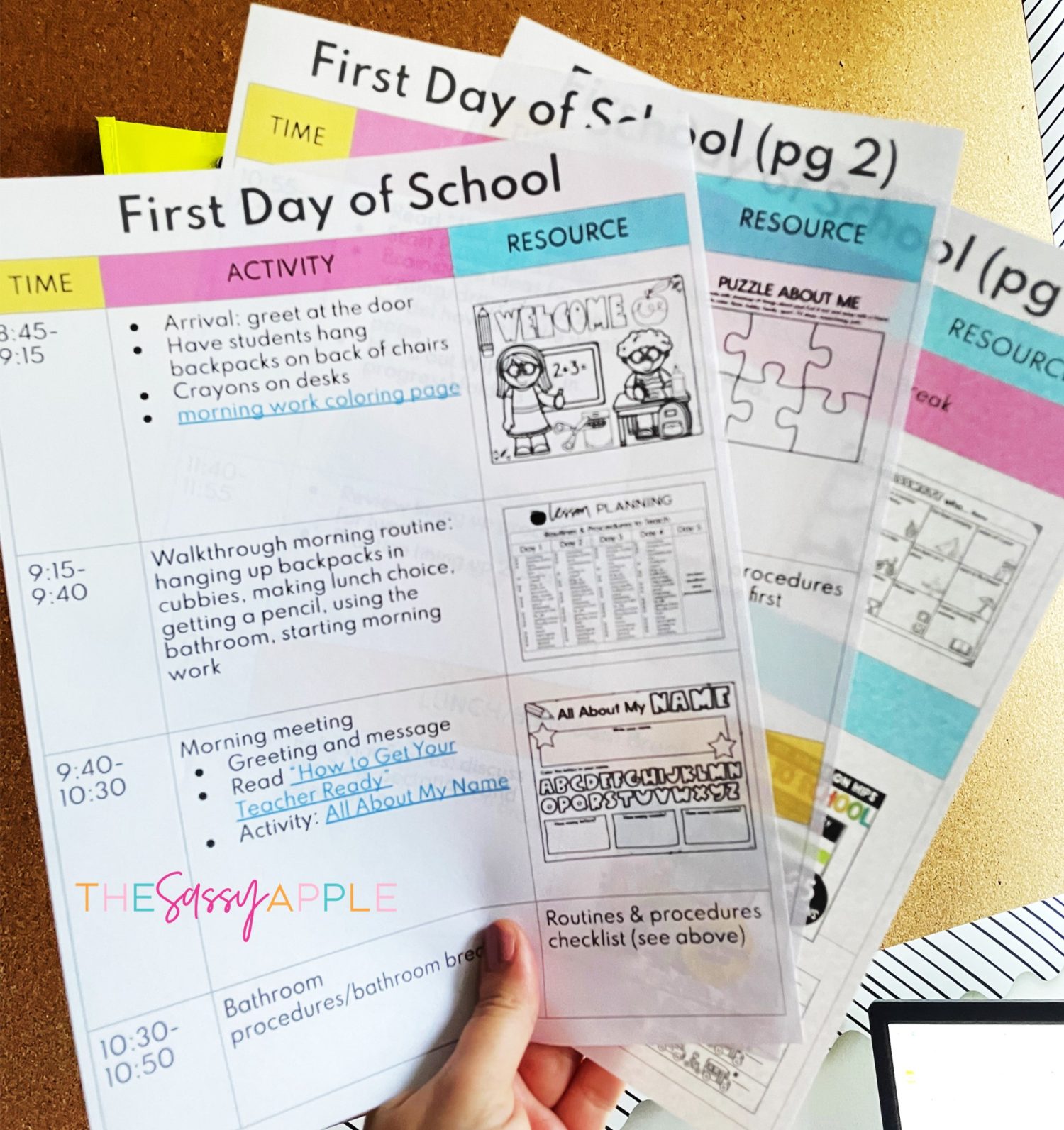
So your daily plans are just:
👉 quick, clear, and focused
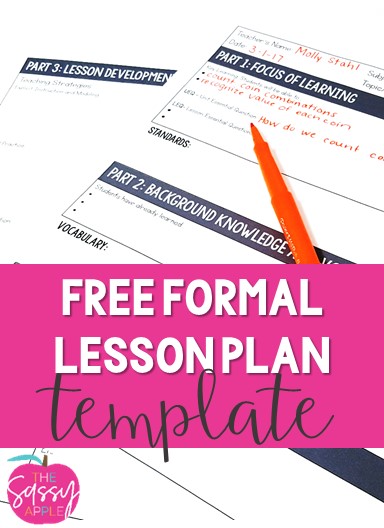
Sometimes, you gotta get all fancy. Like when the bigwigs come to visit. This type of planning reminds me of what we had to do in college (Oh, the good old days!). These days, I use this format for formal observations.
What This Actually Looks Like
🧠 Example: Teaching Vowel Teams
Let’s break it down:
- Yearly: Vowel teams taught January–March
- Monthly: January = long a + long e
- Weekly: Focus on ai/ay
- Daily: Sorting activity, dictation, fluency practice
See the difference?
👉 You’re not scrambling—you’re following a plan.
Want to Stay Organized Without the Overwhelm?
If you’re tired of:
- planning last minute
- feeling scattered
- rewriting plans over and over
Having a simple, structured template makes a HUGE difference.
With the right planning tools, you can:
- ✔ map out your week in minutes
- ✔ keep everything in one place
- ✔ stay consistent without the overwhelm
Let Go of Lesson Plan Chaos
When you only plan day-by-day, everything feels reactive. All the sudden, it’s April and you feel way behind. Why this system of planning works:
- Structure planning improves organization and time management
- It reduces overwhelm since you are working AHEAD (yearly/monthly planning)
Grab all the planning tools in one place.
Looking for more organization blog posts? Click here.