Building students’ sight word fluency is a key part of reading instruction. Did you know about 150 common words make up 50% of written text? These high-frequency words are essential for reading fluency because they appear so frequently in everyday reading. Developing a strategic plan for assessing and teaching sight words is crucial!
What are sight words?
A sight word is a word that a reader can recognize automatically, without having to stop and sound it out.
This is an important distinction:
➡️ Sight words are not a fixed list.
➡️ A sight word is any word that has been stored in a student’s memory.
Because of this, each student’s sight word bank is different. A word that is a sight word for one child may still require decoding for another.
You’ll often hear the terms “sight words” and “high-frequency words” used interchangeably. While related, they’re not exactly the same.
- High-frequency words = words that appear often in print
- Sight words = words a student can instantly recognize
The instructional goal is to move high-frequency words into sight.
Are Sight Words Just Memorization?
Short answer: No—and they shouldn’t be.
Many high-frequency words are fully decodable or mostly decodable when students have strong phonics instruction. When phonics is taught systematically, students can apply their decoding skills to many common words—automatically building their sight word bank in the process.
A smaller group of words do contain irregular or unexpected spelling patterns. These are often referred to as “tricky words” or “heart words.” These words benefit from explicit instruction that draws attention to the part that doesn’t follow regular phonics patterns.
When students can instantly recognize common words, their reading becomes:
- smoother
- more fluent
- more focused on meaning instead of decoding
What order should you teach sight words?
There’s no single “perfect” order—it depends on context.
Here are a few guiding principles that work well across grade levels:
1. Start with your curriculum
If your school uses a systematic phonics program, follow the order it provides. This ensures sight word instruction aligns with the phonics patterns students are learning.
District curriculum maps or pacing guides are also a great place to start.
2. Use assessment to guide instruction
Rather than assuming students need the same list, assess first.
- In kindergarten, begin with very simple, high-utility words like a and I.
- In first grade, assess kindergarten high-frequency words and plan instruction based on gaps.
- In second grade and beyond, start by assessing the previous grade’s words before introducing new ones.
This approach avoids reteaching what students already know—and ensures instruction is targeted.
Most High-Frequency Words are Decodable
When you take a closer look, most high-frequency words follow regular phonics patterns.
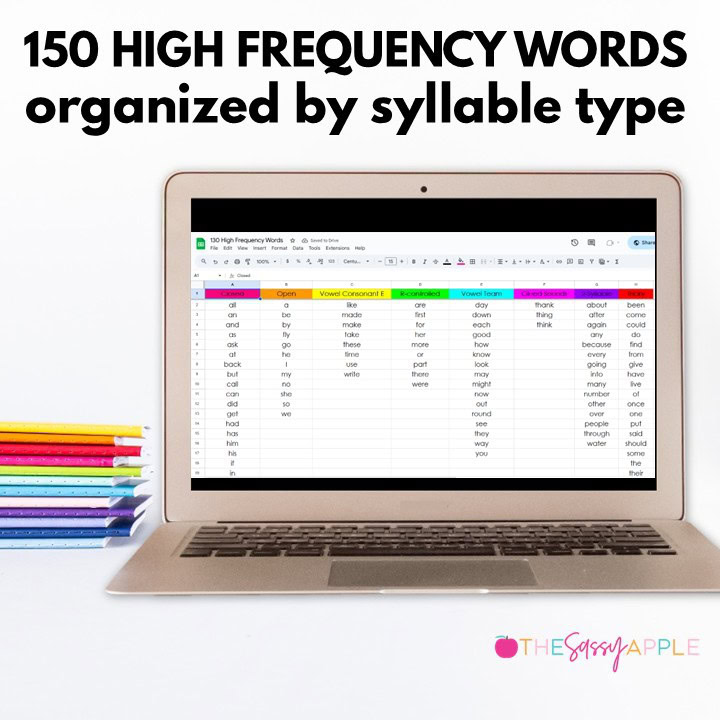
After sorting the 150 most common high-frequency words, only 29 are truly tricky—meaning they contain a phonetic element that doesn’t match what students have been taught.
These tricky words are the ones that benefit most from explicit mapping and focused instruction rather than repeated drilling.
👉 You can download the full decodable vs. tricky word list here
How to teach tricky sight words
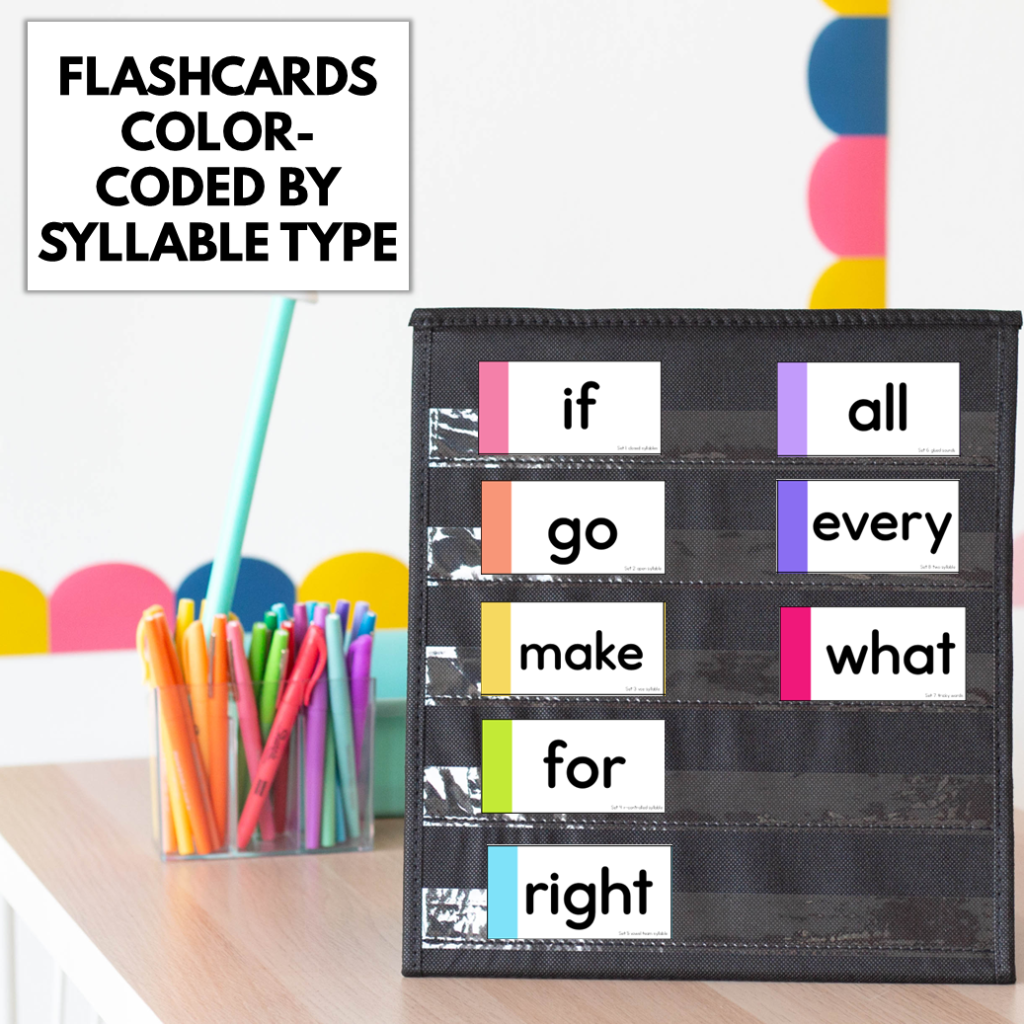
Following a consistent routine to teach tricky sight words will help students mentally map the difficult parts and make it stick.
One effective approach is a Heart Word routine, where students:
- Read the word
- Identify the regular (decodable) parts
- Mark or “heart” the tricky part
- Practice reading and writing the word correctly
This process helps students store the word accurately—without guessing or memorizing letter by letter.
Consistency matters. When students see the same routine repeatedly, it becomes easier for them to transfer new words into long-term memory.
Assessing Sight Word Fluency
Assessment doesn’t need to be complicated—or time-consuming.
Effective sight word assessment should:
- show which words are automatic
- reveal which words still require decoding
- help you decide what to teach next
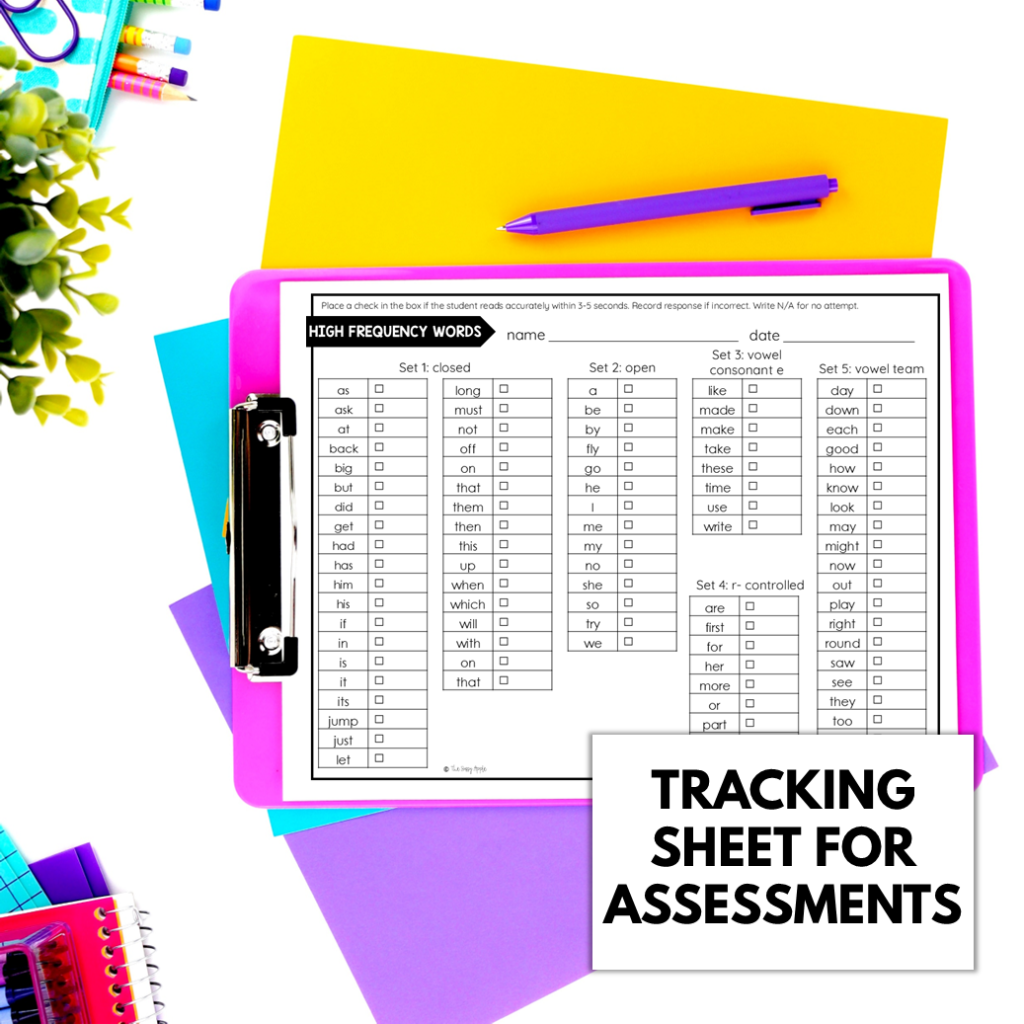
Quick, informal checks (such as reading word lists or applying words in context) can be just as powerful as formal assessments—especially when paired with targeted practice.
Bringing It All Together
When sight word instruction is:
- aligned with phonics
- guided by assessment
- focused on mapping (not memorization)
students make faster, more lasting progress.
If you’re looking for a structured, low-prep way to assess and reinforce high-frequency words using phoneme mapping and science-of-reading–aligned routines, this resource supports that exact process:

👉 High-Frequency Sight Word Practice Worksheets (Science of Reading Aligned)
Because high-frequency words appear so often, students need to recognize them quickly and effortlessly. The key is having a clear plan for both assessing and teaching sight words—not relying on random memorization or flashcard overload.